
Top-Rated Products for Foundation Stabilization and Repair
Choose from proven products that deliver strong support and help restore your home's foundation to its original strength.
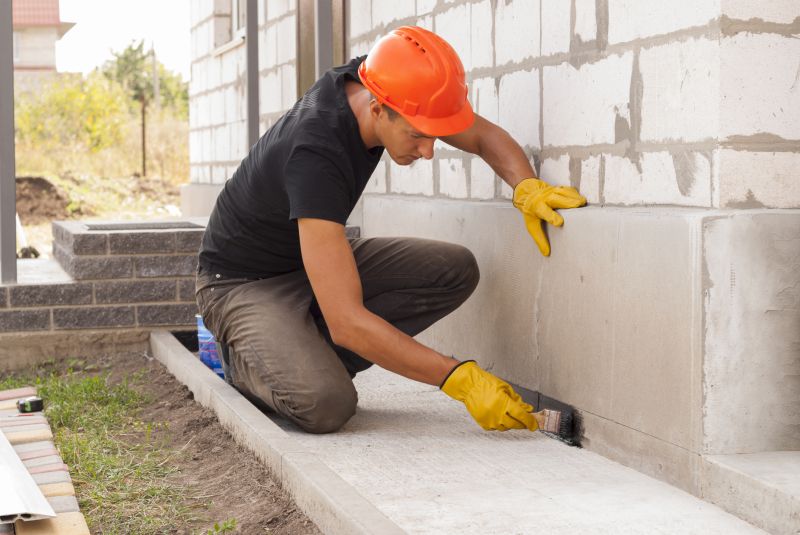 Foundation repairs are a critical aspect of maintaining the structural integrity of any building, especially in areas like Kansas City, MO, where soil conditions and weather patterns can influence foundation stability. When addressing foundation issues, it is essential to understand the variety of products available to support, stabilize, and repair compromised structures. These products range from simple underpinning solutions to complex hydraulic systems, each designed to meet specific needs based on the severity and type of foundation problems.
Top Overall Option
Hydraulic Push Piers
Hydraulic push piers are versatile and commonly used in foundation stabilization. They are installed by pushing steel piers beneath the foundation and then using hydraulic pressure to lift and stabilize the structure. This method allows for precise control and is suitable for various soil conditions. Proper installation by experienced professionals can help address a range of foundation issues effectively.
Types of Products For Foundation Repairs
Helical Piers
Helical piers are screwed into the ground and used to stabilize and support foundations, especially in difficult soil conditions.
Push Piers
Push piers are driven into the soil beneath the foundation to lift and stabilize structures experiencing settlement.
Slab Jacking
Slab jacking involves injecting a grout mixture beneath concrete slabs to lift and level sunken areas.
Polyurethane Foam Injections
Polyurethane foam is used to fill voids and lift settled slabs or footings with minimal excavation.
Underpinning Systems
Underpinning involves reinforcing or extending the foundation to improve stability, often using concrete or steel elements.
Mudjacking
Mudjacking is a technique similar to slab jacking, using a slurry to lift and stabilize concrete slabs.
Steel Push Piles
Steel push piles are driven into the ground to provide support for heavily loaded structures.
Soil Stabilization Products
These products improve soil bearing capacity and reduce settlement issues around foundations.
Concrete Piers
Concrete piers are poured in place or precast to support and stabilize foundations, especially in basement walls.
Anchor Bolts and Plates
Used to secure foundation walls and prevent shifting or bowing.
Popular Choices
Widely used for foundation stabilization, these piers are valued for their strength and adaptability to various soil types.
Preferred for their ease of installation and ability to support different foundation types.
A common method for lifting sunken concrete slabs in driveways and patios.
Popular for quick and minimally invasive repairs of settled slabs.
Often selected for deep foundation stabilization and extension projects.
A cost-effective option for leveling concrete surfaces with moderate settlement.
Chosen for supporting heavy structures and in challenging soil conditions.
Used to improve soil conditions and reduce future settlement risks.
Effective for supporting basement walls and large structures.
Commonly used to reinforce foundation walls and prevent bowing or shifting.
Proper selection of foundation repair products requires careful consideration of the specific circumstances of the property. Factors such as soil type, existing damage, accessibility, and long-term stability goals all influence the choice of repair methods. It is advisable to consult with foundation specialists who can assess the site and recommend appropriate solutions tailored to the unique conditions of Kansas City homes and buildings.
In addition to traditional underpinning and pier systems, there are innovative products designed to lift and stabilize foundations with minimal disruption. These include helical piers, push piers, slab jacks, and polyurethane foam injections. Each product type offers different advantages, depending on the foundation's condition and the underlying soil characteristics. Understanding the features, installation process, and limitations of each product helps homeowners and contractors make informed decisions.
Investing in quality foundation repair products can contribute to the longevity and safety of a structure. While it is tempting to focus on cost, prioritizing reliable, well-designed solutions ensures better performance over time. Regular inspections and early intervention can prevent minor issues from escalating into major repairs, saving time and money in the long run. Whether addressing minor settlement or severe structural shifts, having the right products on hand is essential for effective foundation management.
Key Buying Considerations
- Assess the severity and type of foundation issues to select appropriate products.
- Understand the soil conditions at the site, as some products perform better in specific soil types.
- Consider the long-term stability and whether the product provides a permanent or temporary solution.
- Evaluate the ease of installation and whether professional assistance is required.
- Review the compatibility of the product with existing foundation materials and structures.
- Check the load-bearing capacity of the repair system to ensure it meets structural demands.
- Determine the potential for future movement or settlement and choose adaptable solutions.
- Examine the installation process to minimize disruption to your property.
- Look into the maintenance requirements and durability of the product over time.
- Consult with foundation specialists to get tailored recommendations based on your property’s needs.
- Consider the cost relative to the scope of repair and the quality of the product.
- Verify the manufacturer’s reputation and warranty options for the product.
- Ensure compliance with local building codes and regulations in Kansas City, MO.
- Evaluate the environmental conditions, such as moisture levels, that could affect product performance.
- Plan for possible future inspections and maintenance to sustain foundation stability.